How to stop self-sabotage?

Kathy Khodi-Elhami
Transformational Subconscious Coach
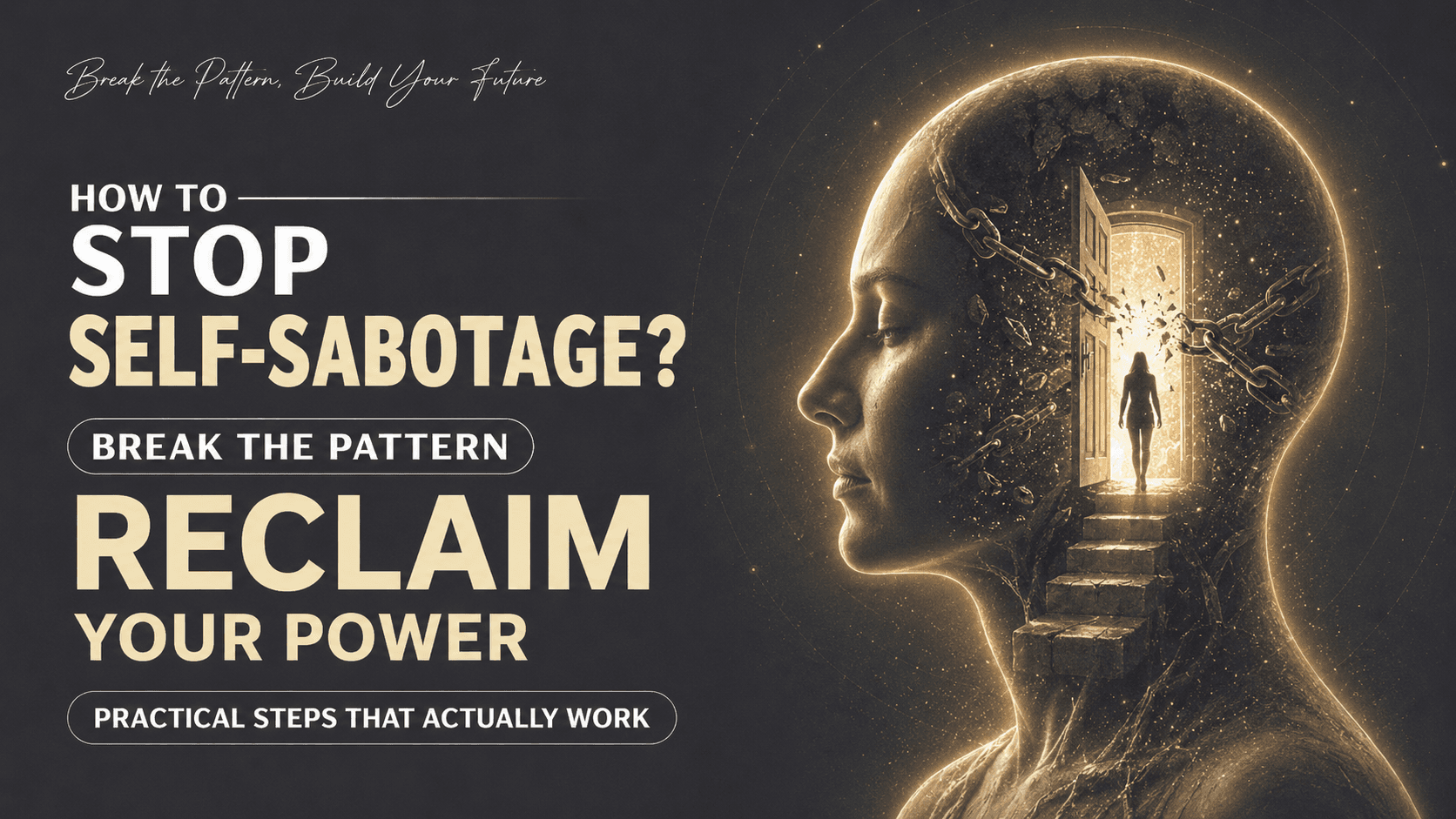
Have you ever felt like you're standing in your own way despite wanting to succeed? Whether it's delaying important tasks, pushing away supportive people, or doubting your abilities, self sabotage can quietly undermine your happiness, relationships, and personal growth. The good news is that once you recognize these patterns, you can take meaningful steps toward changing them.
Self-sabotage is a common yet often misunderstood behavior pattern that prevents people from achieving their goals, maintaining healthy relationships, and reaching their full potential. While it may appear as laziness, indecision, or lack of motivation on the surface, self-sabotage is usually rooted in deeper fears, limiting beliefs, and emotional experiences.
Understanding self sabotage meaning is the first step toward breaking free from these destructive patterns. Once you recognize the signs and identify what causes self sabotage, you can begin replacing self-defeating habits with healthier, more productive behaviors.
In this comprehensive guide, we'll explore self-sabotage meaning, symptoms, causes, impact, and preventive tips.
What is Self-Sabotage?

Self sabotage refers to conscious or unconscious actions, thoughts, or behaviors that interfere with a person's ability to achieve their goals, maintain healthy relationships, or experience happiness and success.
In simple terms, self-sabotage meaning is a contradiction between your actions and your intentions.
Few examples:
- 1You want to lose weight but repeatedly skip workouts.
- 2You want a promotion but procrastinate on important projects.
- 3You want a healthy relationship but push your partner away.
- 4You want financial security but engage in impulsive spending.
The frustrating part about self-sabotage is that people often recognize the negative consequences of their behavior yet continue repeating the same patterns.
Psychologists believe that self-sabotage often acts as a protective mechanism. Your mind may perceive success, change, vulnerability, or uncertainty as threats, leading you to engage in behaviors that keep you within your comfort zone.
Symptoms of self-sabotage

Recognizing the symptoms of self sabotage can help you identify harmful patterns before they damage your goals or relationships.
- 1Chronic Procrastination: Consistently delaying important responsibilities despite understanding their importance.
- 2Negative Self-Talk: Frequently criticizing yourself and expecting failure.
- 3Overthinking: Spending excessive time analyzing situations without taking action.
- 4Perfectionism: Believing anything less than perfect is unacceptable.
- 5Self-Doubt: Questioning your abilities even when evidence suggests you are capable.
- 6Avoidance Behavior: Avoiding challenges, conversations, or opportunities that could lead to growth.
- 7Difficulty Accepting Praise: Downplaying accomplishments and feeling uncomfortable receiving recognition.
- 8Relationship Conflict: Creating unnecessary arguments, withdrawing emotionally, or testing your partner's commitment.
What are the causes of self-sabotage?
Following are causes that leads to self-sabotaging the individuals, what will help you understand the issue with more clarity:
- 1Fear of Failure: Worrying about making mistakes can prevent you from taking action or pursuing opportunities.
- 2Fear of Success: Success may bring new responsibilities or expectations that feel intimidating or uncomfortable.
- 3Low Self-Esteem: Believing you are not worthy of success, happiness, or recognition can lead to self-defeating behaviors.
- 4Perfectionism: Setting unrealistically high standards can cause procrastination, stress, and avoidance.
- 5Negative Past Experiences: Previous failures, criticism, rejection, or trauma can create limiting beliefs that influence current behavior.
- 6Fear of Rejection: Concerns about being judged or rejected may lead you to avoid risks, opportunities, or relationships.
- 7Comfort Zone Dependence: Staying with familiar situations, even unhealthy ones, can feel safer than embracing change and uncertainty.
- 8Imposter Syndrome: Feeling undeserving of your achievements can lead to self-doubt and undermine confidence.
- 9Lack of Self-Awareness: Not recognizing harmful patterns makes it difficult to identify and change self-sabotaging behaviors.
- 10Stress and Anxiety: High levels of stress can trigger avoidance, procrastination, and other behaviors that interfere with personal growth and success.
How to not self-sabotage a good relationship?
Relationships often trigger deep fears and insecurities. To avoid self-sabotaging a healthy relationship:
- 1Communicate Honestly: Discuss concerns openly instead of making assumptions.
- 2Trust Your Partner: Avoid creating problems based on imagined scenarios.
- 3Address Personal Insecurities: Work on your self-esteem independently of the relationship.
- 4Avoid Testing Your Partner: Healthy relationships thrive on communication, not emotional games.
- 5Heal Past Relationship Wounds: Past heartbreak can influence present behavior if left unresolved.
How to prevent self-sabotaging behaviours?
Prevention is often easier than correction. Preventing self-sabotaging behaviors starts with developing greater self-awareness and creating habits that support your long-term goals. While self-sabotage often occurs unconsciously, recognizing your triggers and behavioral patterns can help you stop these actions before they negatively affect your personal or professional life. Effective strategies include:
- 1Practicing mindfulness: Mindfulness helps you stay present and observe your thoughts, emotions, and reactions without immediately acting on them. By becoming more aware of negative thinking patterns, such as self-doubt or fear of failure, you can make more intentional decisions rather than reacting impulsively.
- 2Maintaining healthy routines: Consistent sleep, regular exercise, proper nutrition, and a structured daily schedule can improve both mental and physical well-being. When you feel balanced and energized, you are less likely to engage in procrastination, avoidance, or other self-defeating behaviors.
- 3Tracking progress: Many people become discouraged because they focus solely on their end goals and overlook small achievements. Keeping a journal, planner, or goal tracker allows you to monitor your progress, stay motivated, and identify areas that need improvement.
- 4Managing stress proactively: High stress levels can trigger negative emotions and unhealthy coping mechanisms. Activities such as meditation, deep breathing exercises, spending time in nature, or engaging in hobbies can help reduce stress and improve emotional resilience.
- 5Setting boundaries: Learning to say no when necessary and protecting your time and energy can prevent burnout and reduce feelings of overwhelm. Boundaries help ensure that you remain focused on your priorities and personal well-being.
- 6Celebrating achievements: Celebrate your achievements, regardless of their size. Recognizing progress builds confidence and reinforces positive behaviors. The more you acknowledge your successes, the more motivated you become to continue moving forward.
The more self-aware you become, the easier it is to recognize self-sabotaging patterns before they take control.
5 Important Tips to prevent Self-Sabotage

If you find simple tips: How to not self-sabotage? or How to overcome self-sabotage?, then can follow the below mentioned tips:
- 1Identify Your Triggers: Recognize the situations, emotions, or thoughts that typically lead to self-sabotaging behaviors.
- 2Challenge Negative Self-Talk: Replace self-critical thoughts with realistic and encouraging beliefs.
- 3Set Realistic Goals: Break big goals into smaller, achievable steps to avoid feeling overwhelmed.
- 4Focus on Progress, Not Perfection: Accept that mistakes are part of growth and prioritize consistent improvement.
- 5Practice Self-Care and Manage Stress: Maintain healthy habits to strengthen your emotional resilience and decision-making.
Final Thoughts
Remember that change does not happen overnight. Learning how to not self sabotage requires patience, self-awareness, and self-compassion. By challenging limiting beliefs, focusing on progress instead of perfection, managing stress effectively, and taking action despite fear, you can gradually break free from self-defeating behaviors and create a more fulfilling life.
For individuals who find it difficult to overcome these patterns alone, professional guidance can be valuable. Services such as one-on-one coaching, inner healing programs, hypnosis, and personal development mentoring can help uncover the root causes of self-sabotage, identify limiting beliefs, and develop practical strategies for lasting change.
For example, Mind Alchemy Coach offers services including personalized coaching, inner healing and subconscious work, hypnosis for personal growth, and mentoring programs designed to help individuals overcome obstacles and move toward their goals. These services focus on helping clients gain clarity, build confidence, and create positive behavioral changes.
Ultimately, overcoming self-sabotage is a journey of self-discovery and growth. Every small step you take toward understanding yourself, challenging negative patterns, and embracing positive change brings you closer to the success, happiness, and relationships you deserve. The more intentional you become about your thoughts and actions, the less power self-sabotage will have over your life.